A puppy who freezes at the sound of the hoover, worries when visitors arrive, or cannot settle after a walk is not being difficult. They are telling you that the situation feels too much. The best treats for anxious puppies can make training kinder and more rewarding, but they work best as part of a calm, gradual plan rather than a quick fix.
A well-chosen treat gives your companion a positive association with something unfamiliar. It may also make it easier to practise short, successful training sessions. If you are considering a functional calming chew, the right choice depends on your puppy’s age, diet, health and the particular moments that trigger their worry.
What makes a treat useful for an anxious puppy?
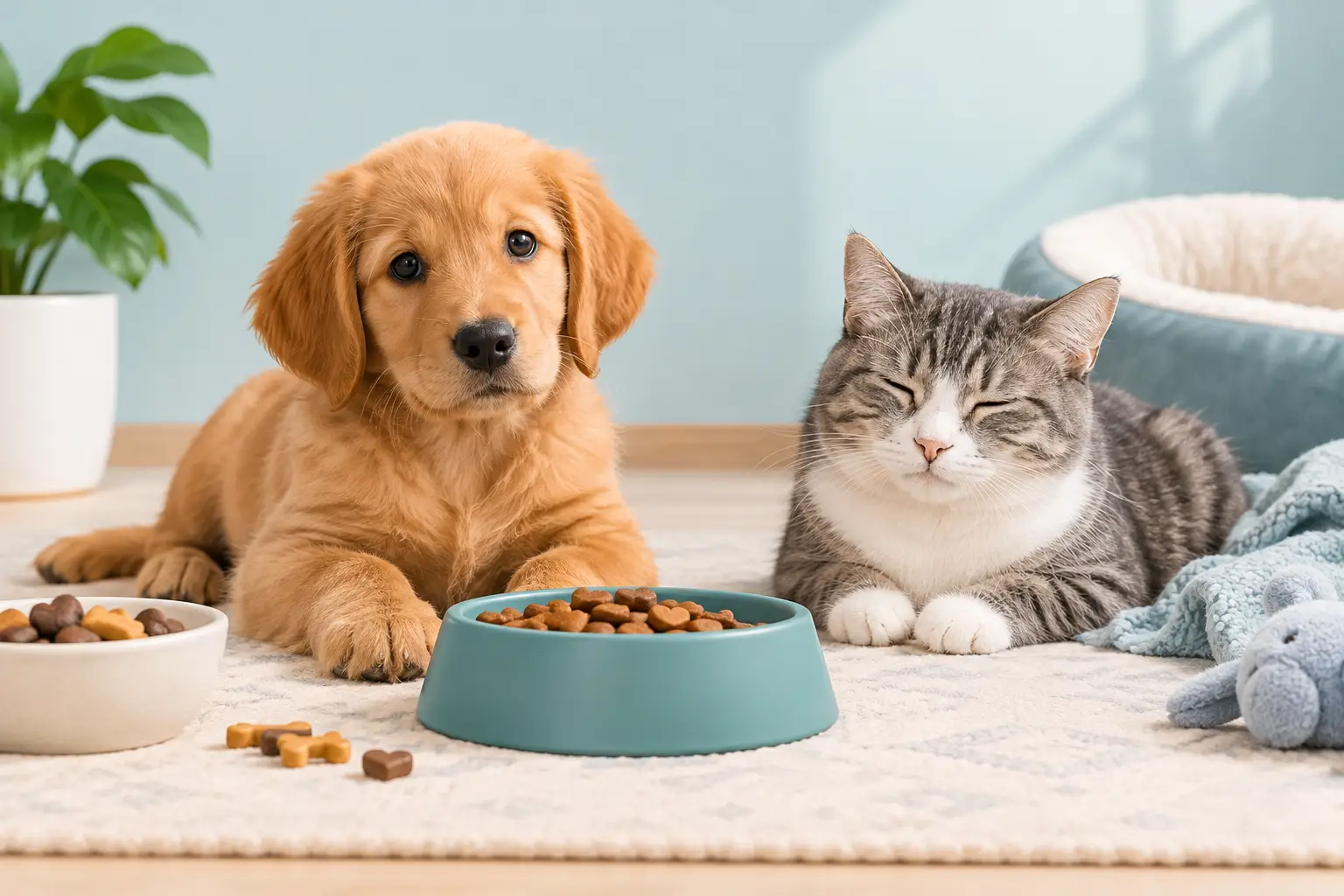
For everyday training, the most useful treat is one your puppy genuinely loves, can eat quickly and digests comfortably. Tiny, soft pieces are usually ideal. You can reward the moment your puppy looks calmly at a stranger, hears a sound without reacting, or chooses to settle on their bed, without interrupting the experience for too long.
Palatability matters more than many pet parents expect. A treat that is nutritionally impressive but left on the floor will not help you build a reassuring routine. Soft, highly palatable treats are often easier for young puppies to manage than hard biscuits, particularly when they are teething.
Look for treats with a clear ingredient list and feeding guidance that suits your puppy’s current life stage. Keep pieces small enough to use repeatedly, and remember that treats count towards the day’s food intake. Puppies need balanced nutrition for growth, so high-value rewards should complement their complete puppy food, not replace it.
The practical choice is often a lower-calorie training treat for frequent rewards and a more special, tasty option for harder moments, such as first car journeys or calm behaviour around new people. What works depends on how many repetitions you need. A lengthy socialisation walk can use far more treats than a two-minute practice at home.
Best treats for anxious puppies: three sensible options
1. Soft, high-value training treats
Small soft treats are a reliable starting point for most puppies. Use them to create positive associations at a distance from whatever concerns your companion. For example, if your puppy is uneasy around bicycles, stand far enough away that they can notice a bicycle and still take a treat. Reward calmly, then move on.
The distance is important. Offering treats when a puppy is already panicking rarely teaches them to feel safer. It can also mean they are too stressed to eat. Instead, work below their fear threshold, in brief sessions, and let your puppy set the pace.
Choose simple recipes if your puppy has a sensitive tummy, known food allergy, or is on a veterinary diet. Introducing several new treats at once makes it difficult to identify the cause if digestion changes.
2. A portion of their usual food
For puppies who are very food-motivated, a measured portion of their daily kibble can work well for easy practice at home. It is economical, familiar and helps you keep an eye on calorie intake. Save a more exciting reward for situations your puppy finds genuinely challenging.
This approach has a useful benefit: it prevents every normal event from becoming a high-excitement occasion. Calmness is the goal. Quiet praise, a small food reward and the chance to move away from a concern can be more helpful than an overexcited response.
3. Functional calming chews, when appropriate
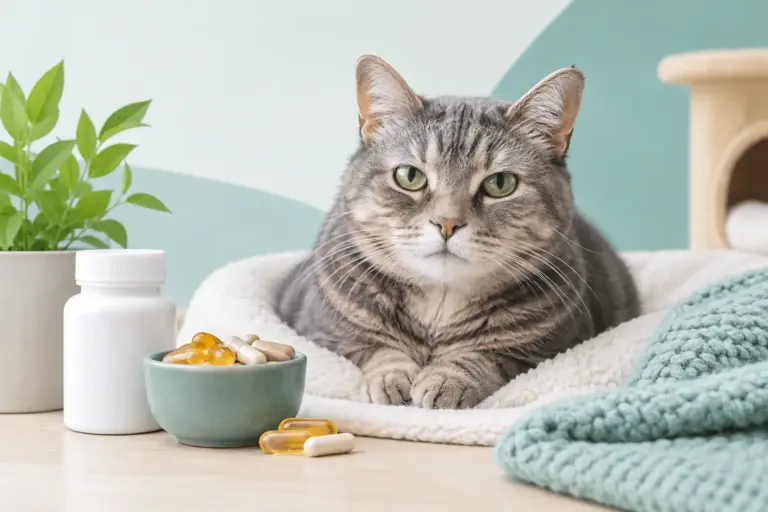
Functional chews are formulated to support a specific wellbeing need, rather than simply provide a snack. Some calming products use nutrients such as L-theanine or milk-protein derivatives, which are included in certain pet formulations to support relaxation. The evidence, ingredients and suitability vary between products, so avoid assuming that any treat labelled “calming” is right for every puppy.
Check the minimum age, feeding instructions and full ingredient list before use. Speak to your vet first if your puppy is very young, unwell, taking medication, has a history of dietary reactions, or their anxiety is severe. A supplement should never sedate your puppy or mask a problem that needs professional support.
If a functional chew is suitable, introduce it when life is relatively quiet rather than for the first time just before a stressful event. This lets you see whether your puppy accepts it and tolerates it well. PetExx soft chews are designed with palatability in mind, helping pet parents give targeted nutritional support in a treat-like format where appropriate.
Ingredients and claims to approach carefully
“Natural” does not automatically mean suitable for a growing puppy. Some herbal ingredients can interact with medicines or may not have enough evidence for use in young dogs. Do not give human calming gummies, sweets or supplements to your puppy. They can contain ingredients that are unsafe for dogs, including xylitol, chocolate, caffeine or unsuitable vitamin levels.
Be cautious with very rich treats too. A nervous puppy can have a sensitive stomach, and loose stools after a new reward add another source of discomfort. Start with a small amount, particularly if the treat contains a new protein or functional ingredient, and monitor appetite, stools and behaviour.
Avoid products that promise to stop anxiety instantly or guarantee a change in behaviour. Fear is an emotional response, not bad behaviour to be corrected. The most trustworthy products explain what they contain, how much to feed and who they are intended for, while making realistic claims about nutritional support.
Use treats to build confidence, not dependence
Treats are most effective when paired with thoughtful handling. If your puppy is worried by the doorbell, begin with a very quiet recording played at a low volume while they eat a treat or sniff for scattered food. If they stay relaxed, repeat on another day. Gradually increase the volume only while they remain comfortable.
For visitors, give your puppy a calm retreat area with water, bedding and a long-lasting puppy-safe enrichment option if suitable. Ask visitors to ignore them at first. Your puppy does not need to greet everyone to be well socialised. Choosing to watch quietly from a safe distance is progress.
Food is not the only reward. Sniffing, moving away, play and gentle affection can all be rewarding, depending on your companion. Mixing these rewards helps prevent treat sessions from becoming frantic and gives you more ways to support your puppy when food is not appropriate.
Do not use treats to lure a frightened puppy closer to a person, dog or object they are trying to avoid. They may take the food and then find themselves uncomfortably close to the thing that scared them. Instead, reward them for noticing it from a safe distance, then allow them to turn away.
When anxiety needs more than a treat
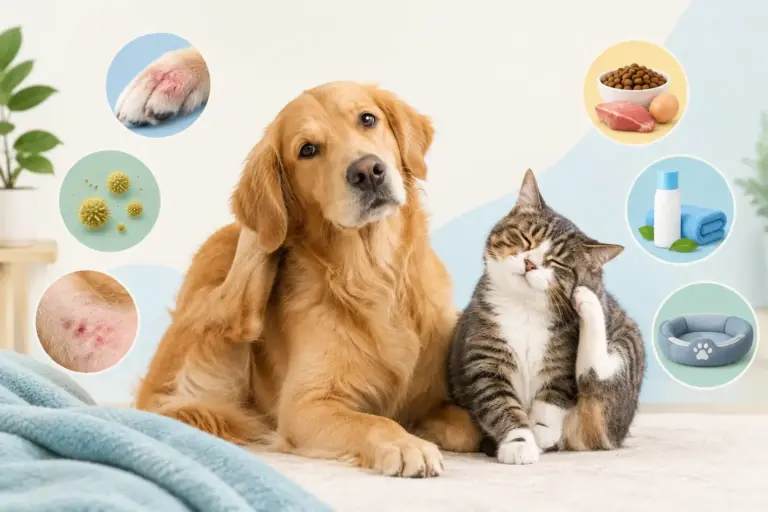
Many puppies have normal wobbles while they learn about the world. However, persistent trembling, hiding, frantic pacing, destructive behaviour when left alone, growling, snapping, refusal to eat, or an inability to settle may need more support. Sudden behaviour changes can also have a physical cause, including pain or illness.
Your vet can check for health concerns and advise on the safest next step. They may recommend a qualified behaviour professional, especially if your puppy’s reactions are escalating or creating safety concerns. Early, compassionate support is far more effective than waiting for a fearful pattern to become established.
Keep a simple note of what happens before your puppy becomes anxious, how close they were to the trigger and how quickly they recover. This can reveal patterns and gives your vet or behaviourist useful detail. It also helps you notice the small wins that are easy to miss day to day.
Your puppy does not need to become the boldest dog in the park. With patient practice, predictable routines and rewards they enjoy, they can learn that the world is often safe, and that you will listen when they need a little more space.