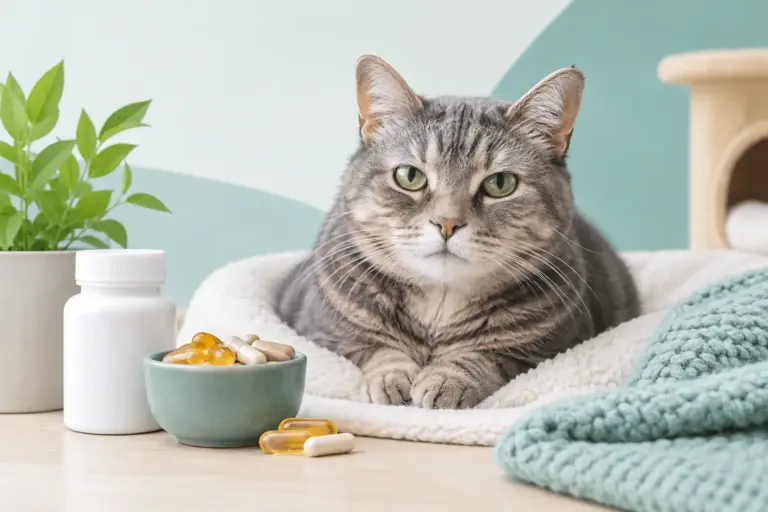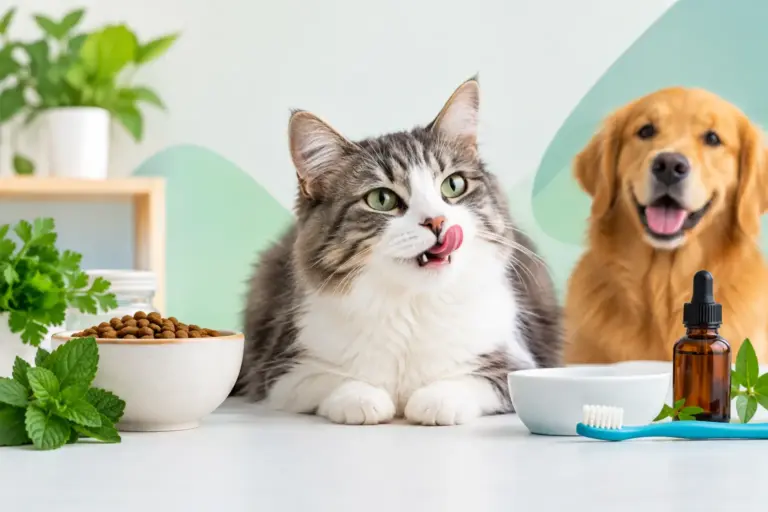
A supplement only helps when it suits the pet in front of you. The most reassuring approach to pet supplement safety is not to collect a cupboard full of products, but to identify one clear need, choose a properly labelled option and use it consistently as directed. Whether your companion is slowing down on walks, scratching more than usual or becoming unsettled by everyday noise, small care decisions can make a meaningful difference.
Pet supplement safety starts with the right question
Before comparing ingredients, ask: what does your pet need? A condition-led choice is usually safer and more useful than a broad product chosen because it promises to support everything.
For example, a nervous dog may benefit from a supplement developed for calm behaviour and everyday stress, while an older cat with reduced flexibility may need nutritional support aimed at mobility. A dog with occasional loose stools has different needs again. Matching the supplement to the concern helps prevent unnecessary ingredients, duplicated nutrients and unrealistic expectations.
It also helps to be specific about what you are seeing. Is your dog reluctant to climb stairs, or simply less keen on longer walks? Has your cat’s coat become dull, or are they over-grooming a particular area? A short note of changes in appetite, toileting, activity and behaviour gives you a clearer starting point. It can also be very useful if you need to speak to your vet.
Supplements are intended to support normal health and comfort. They are not a substitute for diagnosis or treatment where a pet is unwell. Sudden or marked changes in behaviour, weight, thirst, appetite, mobility or toileting deserve veterinary advice first.
Check the label before the marketing
A clear label is one of the best signs that a product has been designed for responsible routine use. It should tell you which pet it is for, the recommended daily amount, the active ingredients and how to store it. You should also be able to identify the business behind the product and find a batch or best-before reference.
Choose supplements made specifically for cats or dogs, rather than adapting products intended for people. Human supplements can contain unsuitable strengths or ingredients that are not appropriate for pets. Sweeteners, flavourings and high levels of particular vitamins or minerals are not details to overlook.
The format matters too. Powders can work well when mixed into a meal, but only if your pet reliably finishes the food. Pastes may suit pets that enjoy a small daily ritual. Tablets can be practical for some companions, while highly palatable soft chews can make daily supplementation feel more like a treat than a negotiation. The best format is the one your pet accepts willingly and can take at the correct amount, day after day.
Dose for the pet you have, not the result you want
More is not better with supplements. Follow the feeding guidance for your companion’s weight, age and species, and use the supplied scoop or measure where relevant. If you have more than one pet, keep the pack out of reach and make sure each animal receives only their own portion.
It can be tempting to increase the amount when a problem has not improved quickly. Instead, allow a sensible trial period stated on the product guidance, while keeping an eye on the original concern. Nutritional support often works gradually, particularly for areas such as skin, coat, digestion and mobility.
If you use several products, check their labels together. A multivitamin, joint product, skin supplement and fortified food may overlap in nutrients. This does not automatically mean they cannot be used together, but it is a good reason to ask your vet or a qualified pet nutrition professional for guidance rather than guessing.
When to speak to your vet first
Most healthy adult pets can use an appropriately formulated supplement as directed. However, a little extra care is needed where there is a medical history or other treatment involved.
Speak to your vet before starting a new product if your companion is taking prescribed medication, is pregnant or nursing, is very young, or has known liver, kidney, pancreatic, endocrine or urinary disease. The same applies if they are on a veterinary diet. A supplement may still be appropriate, but the right choice and amount can depend on the wider care plan.
Veterinary advice is especially valuable when a symptom keeps returning. Digestive upset, itchy skin, anxious behaviour and stiffness can all have several possible causes. Supporting comfort at home is worthwhile, but recurring signs may point to a dietary issue, pain, parasites, allergy, infection or another concern that needs more than a supplement.
Introduce one change at a time
When you start a new supplement, avoid changing food, treats and routine all at once. If your pet develops an upset stomach or refuses their meals, it becomes difficult to know what caused it.
Begin with the manufacturer’s introduction guidance where provided. Keep the first few days calm and familiar, and observe your pet’s appetite, stools, energy and willingness to take the product. For fussy cats and cautious dogs, acceptance is not a minor detail. A supplement cannot support wellbeing if it remains at the bottom of the bowl.
If your companion is sensitive, ask a professional whether a slower introduction is sensible. Never hide a supplement in a food your pet normally loves if they are already feeling sick or off their meals. They may start to associate that favourite food with discomfort.
Stop using the product and seek veterinary advice if you notice signs such as facial swelling, breathing difficulty, repeated vomiting or diarrhoea, collapse, severe itching, or a sudden change in behaviour. These reactions are uncommon, but prompt action is the safest response.
Store supplements as carefully as you serve them
Storage protects both safety and effectiveness. Keep products in their original packaging, with the lid closed, in a cool and dry place unless the label says otherwise. Bathroom cabinets, sunny windowsills and damp utility rooms are rarely ideal.
Palatable chews deserve particular care. Dogs may treat an open tub like a prize, and cats can be surprisingly determined when a product smells appealing. Store supplements securely out of reach, just as you would medication or chocolate. If your pet gets into a pack, contact your vet with the packaging to hand so they can assess what and how much may have been eaten.
Check the best-before date and avoid using products that have changed markedly in smell, colour, texture or appearance. Do not transfer loose chews or powders into unlabelled containers. The original pack contains the instructions you may need quickly.
Look for progress, not perfection
A good supplement plan has a clear purpose and a realistic review point. You might be looking for more comfortable movement after rest, steadier stools, less scratching, a healthier-looking coat or a calmer response to familiar triggers. Progress can be gradual, so compare your pet with their own usual pattern rather than expecting an overnight transformation.
Keep care simple enough to sustain. One well-chosen, professionally developed product that your companion enjoys taking is often a better choice than several complicated additions. At PetExx, this is why condition-specific formats and palatability are central to everyday nutritional support.
Your companion relies on you to make calm, informed choices on their behalf. Start with the visible need, read the label closely and involve your vet when something does not feel right. That thoughtful routine is one of the kindest forms of preventative care you can offer.