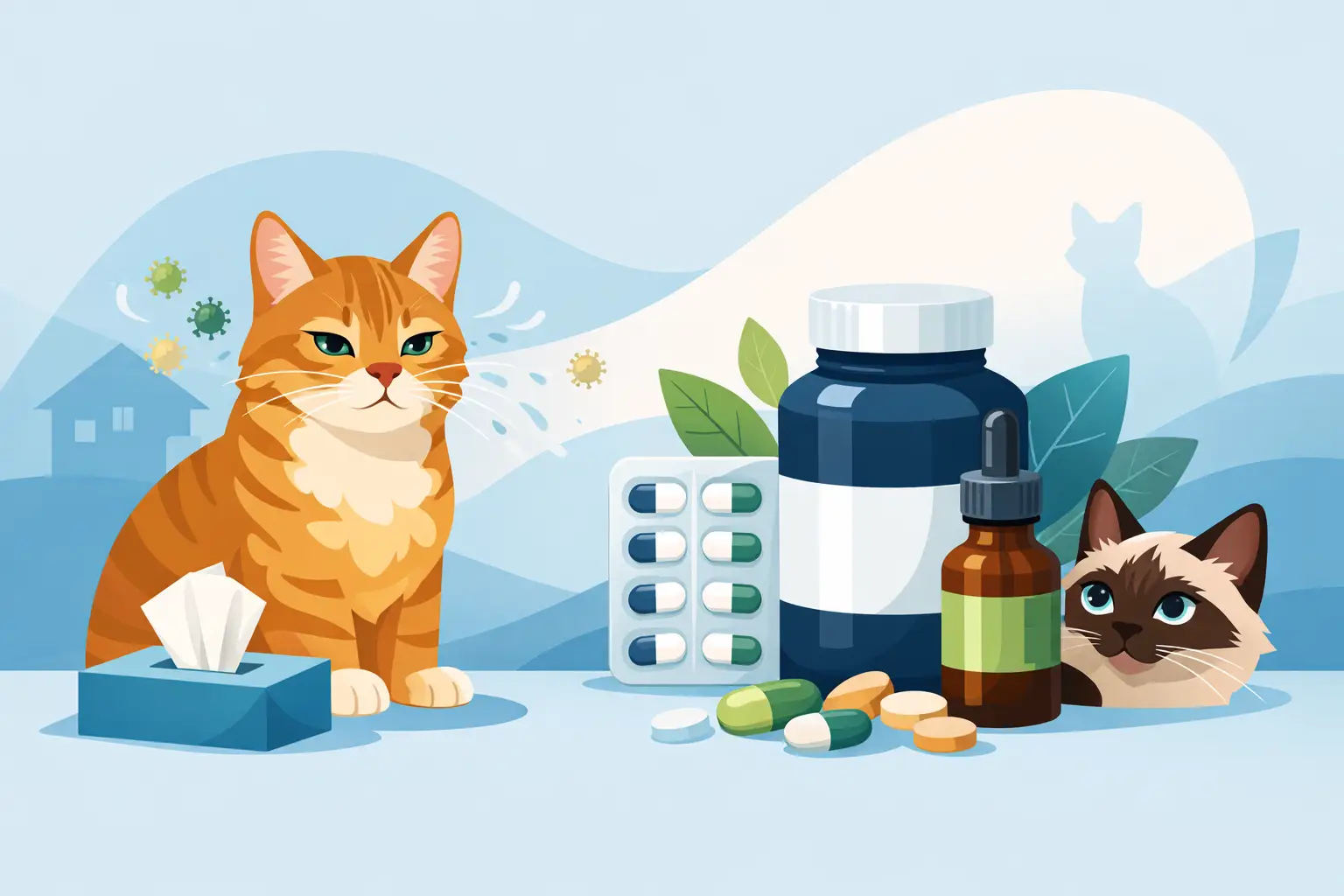
A cat who is constantly scratching around the face, over-grooming the tummy or developing sore-looking skin needs more than a quick fix. Cat allergy supplements may support skin comfort and everyday resilience, but the first priority is working out what is making your companion itch. Fleas, food reactions, environmental allergens and skin infections can look remarkably similar from the sofa.
For pet parents, the helpful question is not simply, “What supplement stops allergies?” It is, “What does my cat need alongside appropriate veterinary care?” A well-chosen nutritional supplement can have a useful place in a wider plan, particularly for cats with dry skin, recurring sensitivity or a compromised skin barrier. It should never delay a veterinary appointment when signs are severe, sudden or persistent.
Why cat allergies are not always straightforward
Itching is a symptom, not a diagnosis. Some cats react strongly to even a single flea bite, while others are sensitive to pollen, house dust mites, moulds or ingredients in their food. They may scratch their ears and neck, lick fur away from their legs, chew at their paws or develop tiny scabs, often called miliary dermatitis.
The visible signs can also be complicated by bacterial or yeast infections, ear problems, mites, stress-related over-grooming and pain. That is why guessing can become expensive and frustrating. Your vet can assess your cat’s skin and ears, make sure parasite control is effective, and advise whether an elimination diet, medication or further testing is appropriate.
Seek veterinary advice promptly if your cat has broken skin, swelling, breathing changes, a sudden widespread rash, discharge from the ears, reduced appetite or seems withdrawn. These are not symptoms to manage with a supplement alone.
Where cat allergy supplements can help
When the underlying trigger is being addressed, nutrition can support the body’s normal skin function. The skin barrier is more than a coat-deep concern. It helps limit moisture loss and reduces the chance of external irritants passing through the skin. Cats with ongoing itch can have a cycle of inflammation, scratching and further barrier disruption.
Supplements containing omega-3 fatty acids, especially EPA and DHA from a suitable marine source, are often considered for their role in supporting normal inflammatory responses and skin health. Results are rarely overnight. Skin and coat turnover takes time, so pet parents should usually assess changes over several weeks rather than a few days.
Some formulas also include nutrients that support skin structure and coat condition, such as zinc, biotin and vitamin E. Probiotics may be included to support digestive balance, which can be relevant for some sensitive cats, although they are not a proven cure for allergy. The value of any ingredient depends on its form, dose, quality and whether it suits your individual companion.
A supplement is most likely to be useful when it has a clear purpose: supporting the skin barrier, helping maintain a healthy coat, or complementing a vet-led plan for a cat with recurring sensitivity. Promises to “cure allergies” or stop all itching should be treated cautiously.
What a supplement cannot do
No nutritional product can remove fleas from the home, diagnose a food allergy or replace prescribed treatment for a painful skin flare-up. Equally, it cannot compensate for inconsistent flea prevention. Indoor cats can still encounter fleas through other pets, visitors or soft furnishings.
If your vet recommends a food trial, check every extra item first. Flavoured supplements, treats, dental products and even some medications can introduce proteins that invalidate an elimination diet. During this period, a palatable chew may be convenient, but only if your vet confirms that every ingredient is compatible with the trial.
Choosing cat allergy supplements with care
The best choice is not necessarily the product with the longest ingredient list. Look for a supplement designed for cats, with a clearly stated daily serving and ingredients that match the intended benefit. Cats are not small dogs, and their nutritional requirements and tolerances differ.
It is sensible to consider the source and format as well. Oils can be useful for cats who accept food toppers, while powders may suit wet food. Soft chews can make daily supplementation feel more like a treat for cats that enjoy them, but acceptance is individual. Palatability matters because a supplement only helps if your cat will take it consistently and without turning mealtimes into a battle.
Before buying, check for these practical details:
- A cat-specific feeding guide based on weight or life stage.
- Full ingredient disclosure, including flavourings and the source of key active nutrients.
- Clear advice on storage, expiry dates and how long the pack should last.
- Sensible claims focused on support, not guaranteed cures.
- Development informed by qualified nutritional expertise and products made to appropriate safety and legal standards.
Be particularly careful with human supplements. Products containing xylitol, high doses of vitamin D, essential oils or unsuitable additives can be dangerous for pets. Never give antihistamines, steroids or pain relief intended for people unless your vet has prescribed the exact product and dose for your cat.
How to introduce a supplement without upsetting a sensitive cat
Cats are observant critics of anything new in their bowl. Introduce one product at a time, ideally when your cat is otherwise well and their diet is stable. This makes it easier to notice whether it agrees with them and avoids confusion if their skin or digestion changes.
Start with the manufacturer’s guidance, unless your vet has advised a different approach. For fussy cats, mixing a powder or oil into a small portion of a favourite wet food first can prevent an entire meal from being rejected. Once it is accepted, offer the remainder as normal. A soft chew may work well for cats who enjoy treat-style feeding, while others will prefer a food-based format.
Keep a simple note of scratching, grooming, ear shaking, stools and coat condition. Photographs taken in the same light every week can be more revealing than memory, especially when changes are gradual. If vomiting, diarrhoea, reduced appetite or increased itch develops after starting a product, stop it and speak with your vet.
Build the wider allergy plan first
Supplements work best as one part of consistent care. Reliable year-round parasite control, regular washing of bedding, vacuuming soft areas and following your vet’s feeding advice can all make a meaningful difference. For environmental allergies, your vet may recommend specific treatments during seasonal flare-ups. For food-related concerns, a carefully managed diet trial is often more informative than switching repeatedly between foods.
It can be tempting to change food, litter, flea treatment, shampoo and supplements all at once when your cat is uncomfortable. In practice, this makes it hard to know what helped or what caused a setback. Change one meaningful factor at a time where possible, while keeping your vet involved.
Older cats deserve extra care too. A senior companion who suddenly starts over-grooming may be itchy, but arthritis, dental pain, thyroid disease or other health issues can also alter grooming habits. New behaviour always deserves a closer look.
A calmer way to support sensitive skin
Cat allergy supplements are not a shortcut around diagnosis, but a thoughtful formula can be a reassuring addition for the right cat. Choose a product with a defined nutritional purpose, introduce it patiently and give it enough time to be assessed fairly. With the trigger being investigated and daily care kept consistent, you can focus on the outcome that matters most: helping your companion feel more comfortable in their own skin.