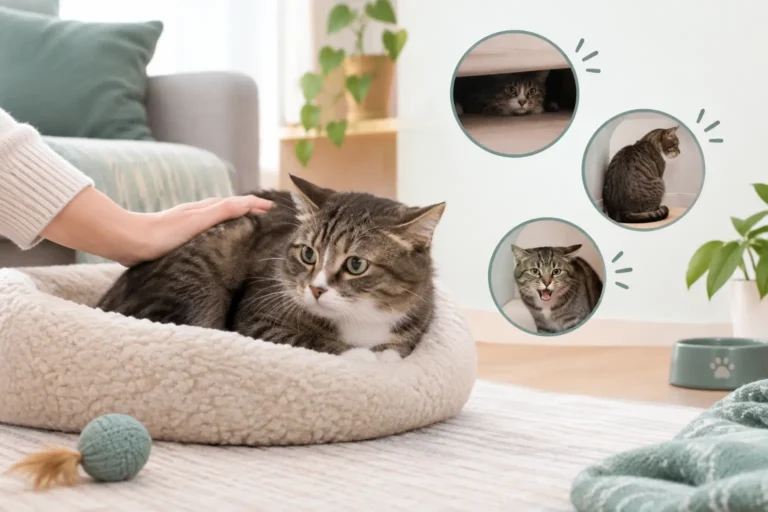
A dog who suddenly leaves half their dinner, a cat who is less willing to jump, or a companion who becomes unsettled when visitors arrive can make pet parents wonder whether food is part of the answer. Future pet nutrition is moving towards a more useful response than simply choosing the newest ingredient or the most eye-catching claim. It is about understanding what your individual pet needs, then using safe, well-considered nutrition to support everyday comfort and long-term wellbeing.
For many cats and dogs, a complete diet remains the foundation. The next step is not to overcomplicate the bowl. It is to recognise that age, lifestyle, breed tendencies, sensitivities and visible changes can all shape nutritional needs. A practical approach helps pet parents make sensible choices without treating every wobble, itch or quiet day as a crisis.
How future pet nutrition is becoming more personal
Traditional pet food has often been organised around broad labels: puppy, adult, senior, small breed or large breed. Those categories still have value, but they cannot tell the full story. Two dogs of the same age may have very different needs if one is highly active and the other is managing a stiff gait. Likewise, a confident indoor cat and a rescue cat settling into a new home may benefit from different forms of daily support.
The future lies in better matching nutrition to the need in front of us. That may mean choosing digestive support for a pet with recurring tummy sensitivity, nutrients that support skin and coat condition, or a carefully formulated calming supplement for a companion who finds travel, noise or social situations difficult. Condition-led care is more useful than a cupboard full of general products with unclear purposes.
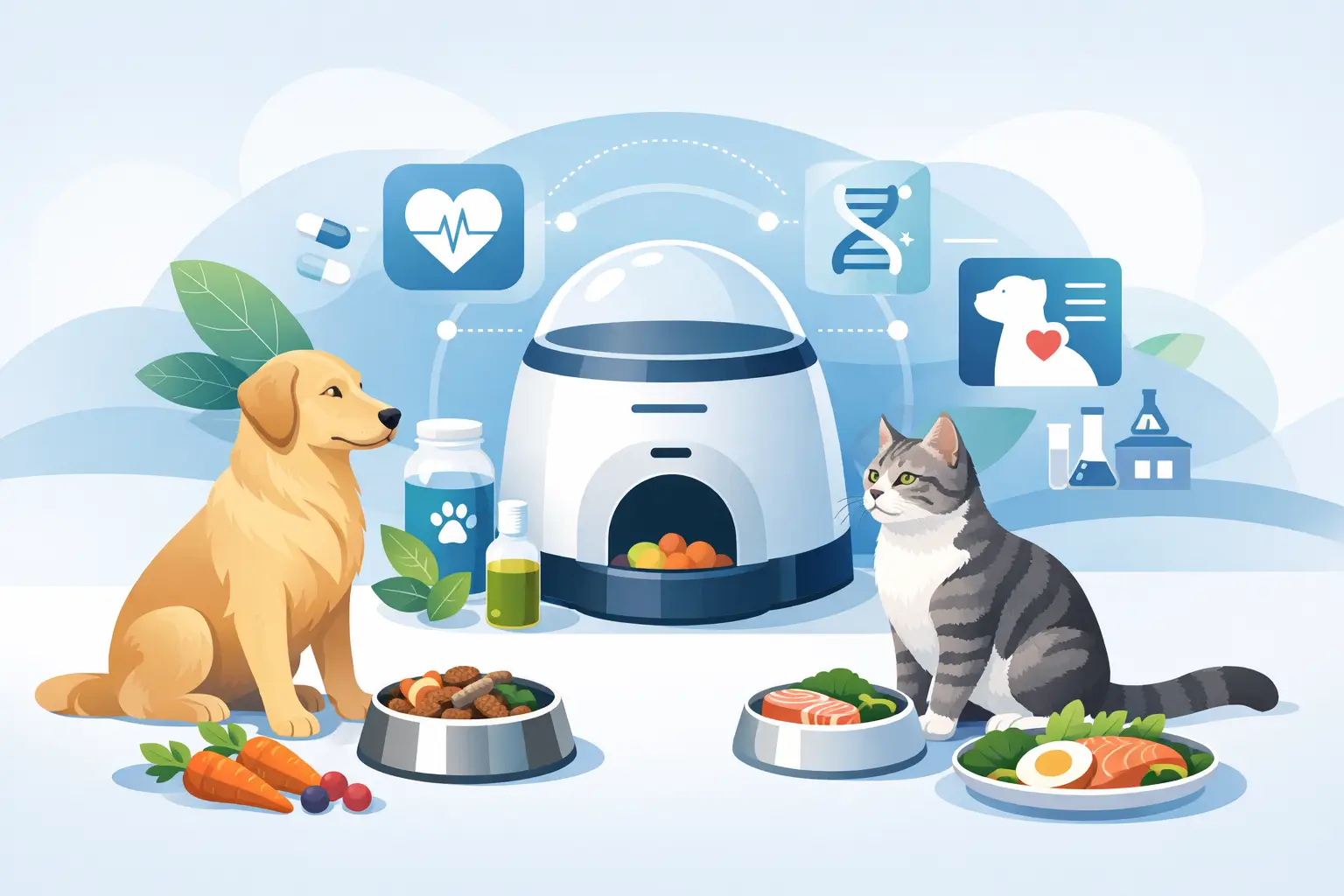
Personalised nutrition does not necessarily mean expensive testing or complicated meal plans. Often, it starts with good observation. Changes in appetite, stool quality, mobility, scratching, sleep, energy and behaviour can help pet parents have a more focused conversation with their vet and make better routine-care decisions.
Food first, targeted support second
A complete and balanced food should provide the essential nutrients a healthy cat or dog needs. Supplements, functional chews, powders and pastes have a different role: they can help address a defined everyday objective where extra nutritional support is appropriate.
That distinction matters. Adding several products at once can make it difficult to tell what suits your pet, and more is not automatically better. The most thoughtful future pet nutrition plans will be simple, targeted and easy to maintain. They will also respect product instructions, a pet’s size and life stage, and any advice already given by a veterinary professional.
Functional nutrition will need to earn trust
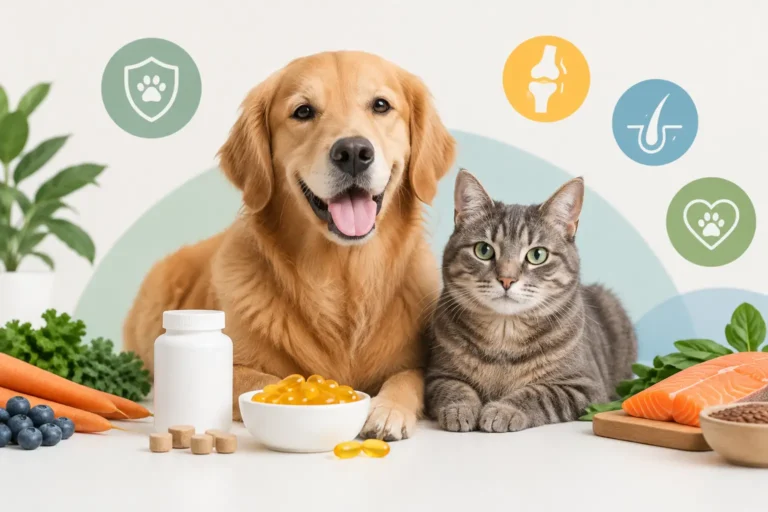
Interest in functional ingredients is growing because pet parents want food and supplements to do more than fill a bowl. Ingredients associated with joint comfort, digestive balance, dental hygiene, urinary health, cognitive function and skin support are likely to remain a major part of pet nutrition. The useful question is not whether an ingredient is fashionable, but whether it is suitable, responsibly formulated and relevant to your companion.
Natural positioning can be reassuring, yet natural does not automatically mean appropriate for every pet. Dose, quality, consistency and safety matter just as much as the ingredient name on the label. Products should be developed with nutritional expertise and made for their stated purpose, rather than relying on vague promises of total wellness.
Pet parents should also be cautious about exaggerated claims. Nutrition can support normal function and comfort, but it is not a replacement for diagnosis or treatment. If your cat or dog has sudden symptoms, persistent discomfort, weight loss, repeated vomiting, difficulty urinating, marked behaviour changes or reduced mobility, veterinary advice should come first.
The microbiome is promising, but not a shortcut
The gut microbiome – the community of microorganisms in the digestive system – is receiving a great deal of attention. Research is helping us understand more about its links with digestion, immunity and even aspects of behaviour. This could lead to more refined use of prebiotics, probiotics and fibre blends in pet care.
There is real promise here, particularly for companions with sensitive digestion. However, microbiome science is still developing, and the right solution depends on the pet, the product and the problem being addressed. A sudden switch to a highly different food or a rushed combination of digestive products may cause more upset rather than less. Gradual changes and clear goals are kinder to the digestive system.
Palatability is part of good care
The best nutritional plan cannot help if your pet will not accept it. This is especially familiar to cat parents, but even food-motivated dogs can reject an unfamiliar taste, texture or smell. Future innovation should not overlook this practical reality.
Palatable formats can make daily support less stressful for everyone. Soft chews that feel like a treat, for example, may help pet parents give a supplement consistently without the daily challenge of hiding tablets in food. Powders can suit pets who readily eat a familiar meal, while pastes or tablets may be a better fit in other households. There is no single best format – the right one is the one your companion can take safely and willingly.
Consistency is often where the benefit lies. A product that is perfectly formulated but rarely accepted will be less useful than a well-made option that becomes an easy part of a pet’s routine. When introducing anything new, start calmly, follow feeding guidance and give your pet time to adjust.
Better labels will make decisions easier
As nutrition becomes more specialised, clear communication becomes more valuable. Pet parents deserve to know what a product is designed to support, how it should be used and whether it is suitable for their pet’s species, age and size. They should not have to decode scientific language or make decisions based on a colourful front label alone.
Look for straightforward feeding guidance, transparent ingredient information and a clearly defined health objective. It also helps when a brand explains whether a product is intended for routine support, occasional use or a particular life stage. This makes it easier to avoid unnecessary overlap between products.
For pets taking prescribed medication, managing a diagnosed condition, or following a veterinary diet, check with the vet before introducing supplements or significant dietary changes. This is particularly relevant for pets with kidney, liver, pancreatic or urinary concerns, and for pregnant or nursing animals.
Sustainability will become more practical
Pet parents increasingly want to consider the environmental impact of their choices, but sustainability should not come at the expense of nutritional suitability or food safety. Future approaches may include better use of responsibly sourced ingredients, more efficient manufacturing, improved packaging and reduced food waste.
The most helpful change may be a move away from false choices. A sustainable option must still be complete where it is sold as a complete food, appropriate for the species, and accepted by the pet. Forcing a food change that your cat or dog refuses is not better for them or for the planet.
Portion awareness also has a role. Overfeeding treats and extras can quietly add up, particularly for less active or older companions. Adjusting daily food where needed and keeping treats within a sensible routine supports a healthy body condition while reducing waste.
What pet parents can do now
You do not need to wait for future pet nutrition to make more confident choices. Start with a reliable complete food that suits your pet’s life stage, keep fresh water available and monitor their normal habits. Then consider whether there is one specific area where nutritional support could make day-to-day life more comfortable.
Keep changes manageable. Introduce one new item at a time, watch for acceptance and digestive tolerance, and give it enough time to become part of a routine where appropriate. A simple note on appetite, stools, movement, coat condition or settled behaviour can reveal more than trying to judge everything from memory.
The most encouraging direction for pet nutrition is not a future of ever more products. It is a future where pet parents can find clear, safe and palatable support for the moments that matter to their companion – from an easier walk and a calmer evening to a more comfortable meal every day.